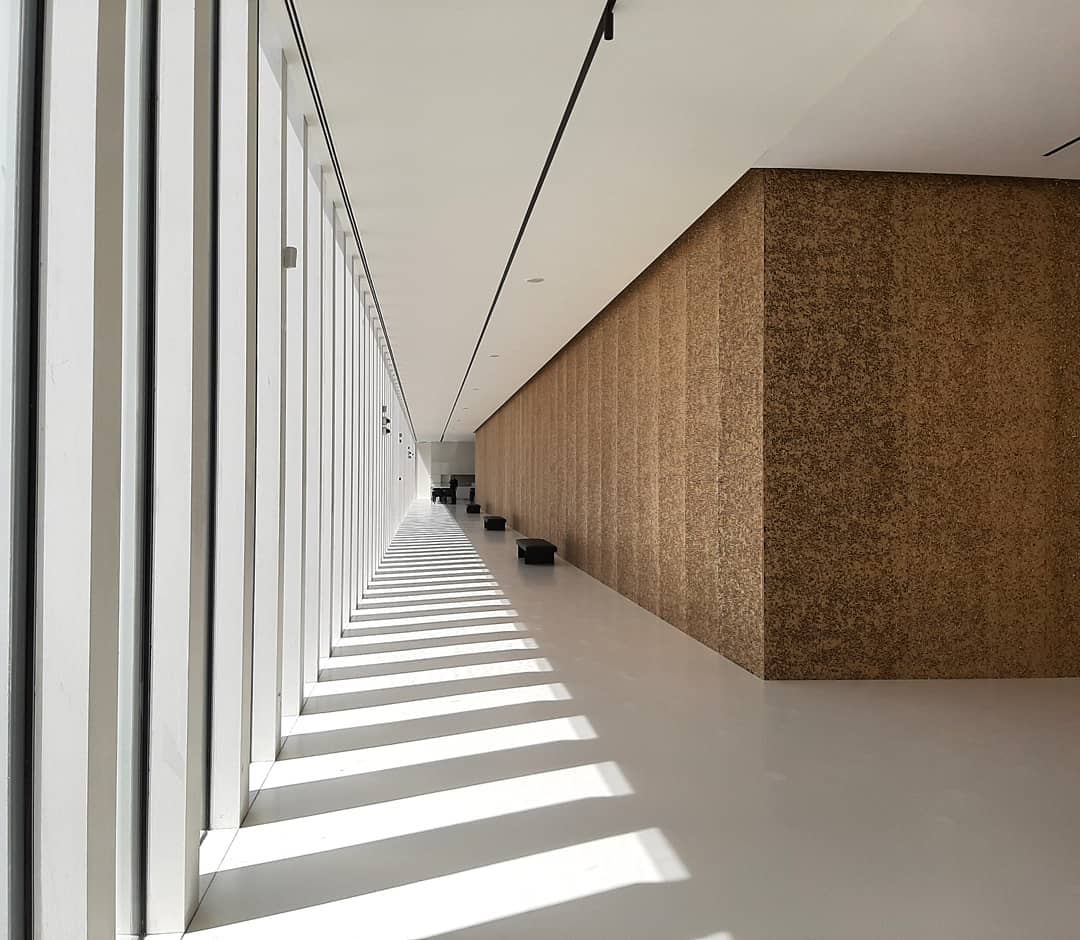
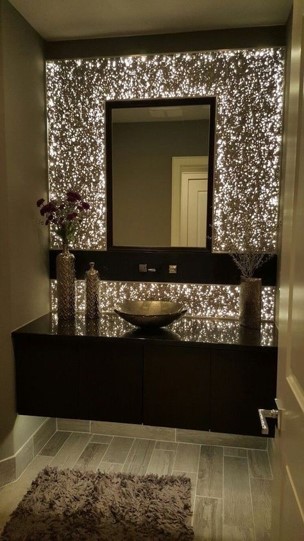
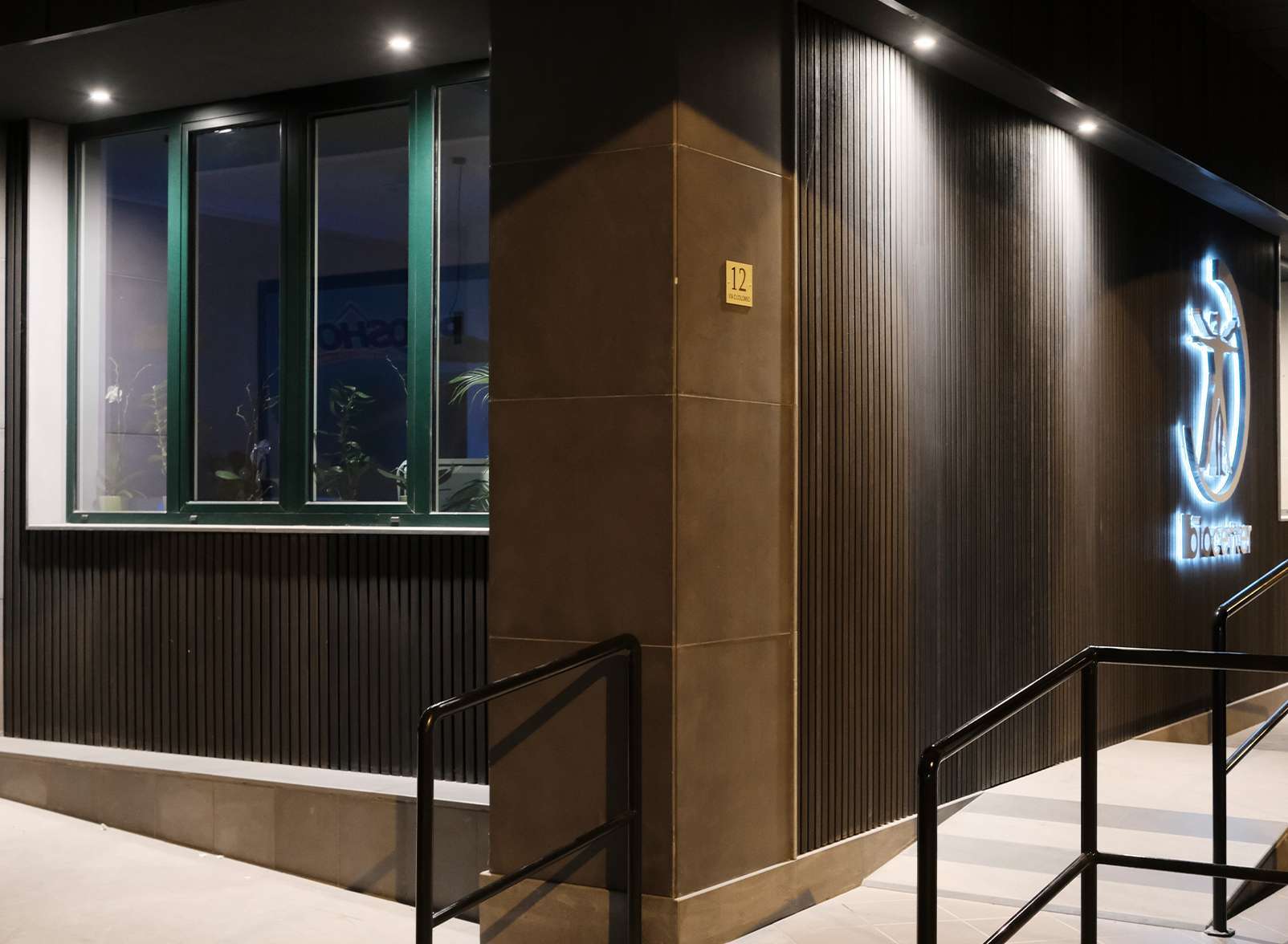
Wall coverings play an important role in protecting the wall, shaping the space and creating a neat, finished impression of the interior. At Avantall, we offer wall coverings that adapt to different types of buildings and project requirements, from prestigious commercial spaces to interiors where resistance, good acoustics, easy maintenance, and durability are important. These are the main advantages of modern architectural wall coverings.
Aesthetic and functional role
Wall coverings are used in offices, hotels, retail spaces, schools, healthcare facilities, transport hubs, and other interiors where a wall must fulfil both an aesthetic and a functional role. In addition to elevating the visual level of a space, they help protect wall surfaces, conceal substrates, and create a more cohesive architectural solution.
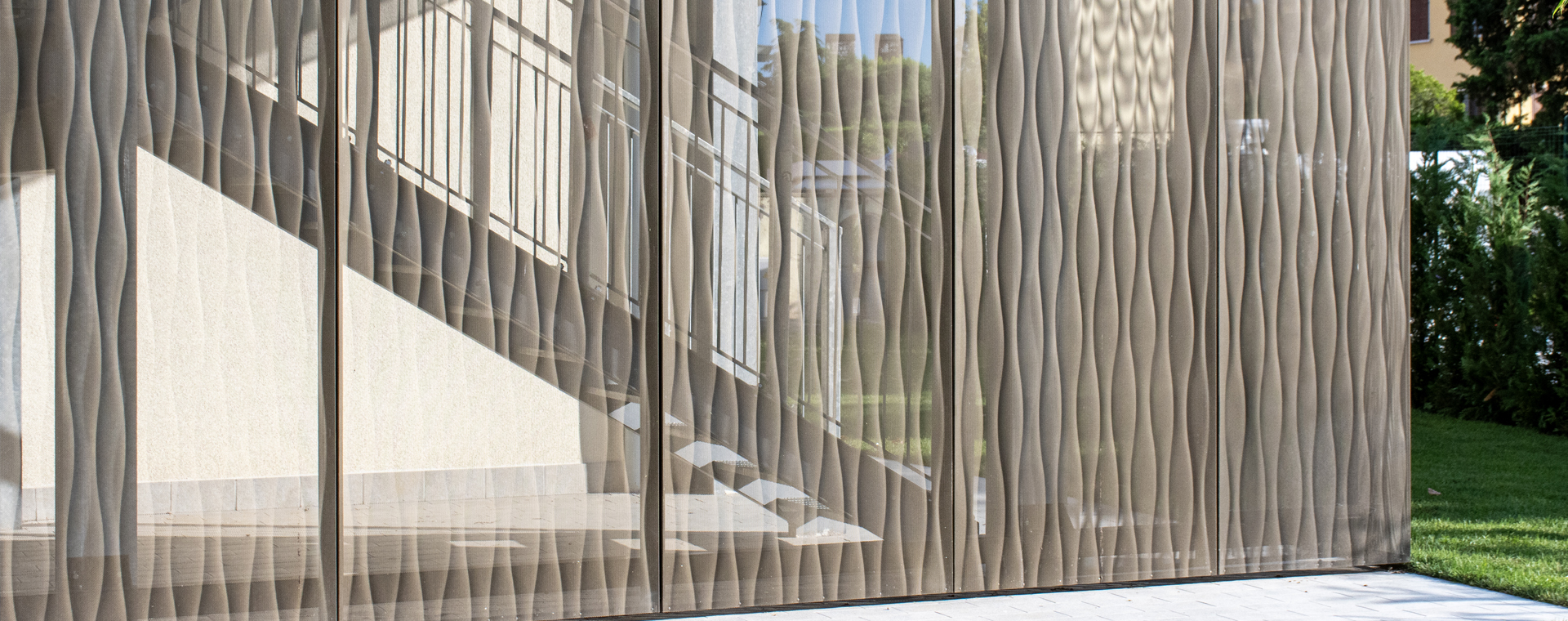
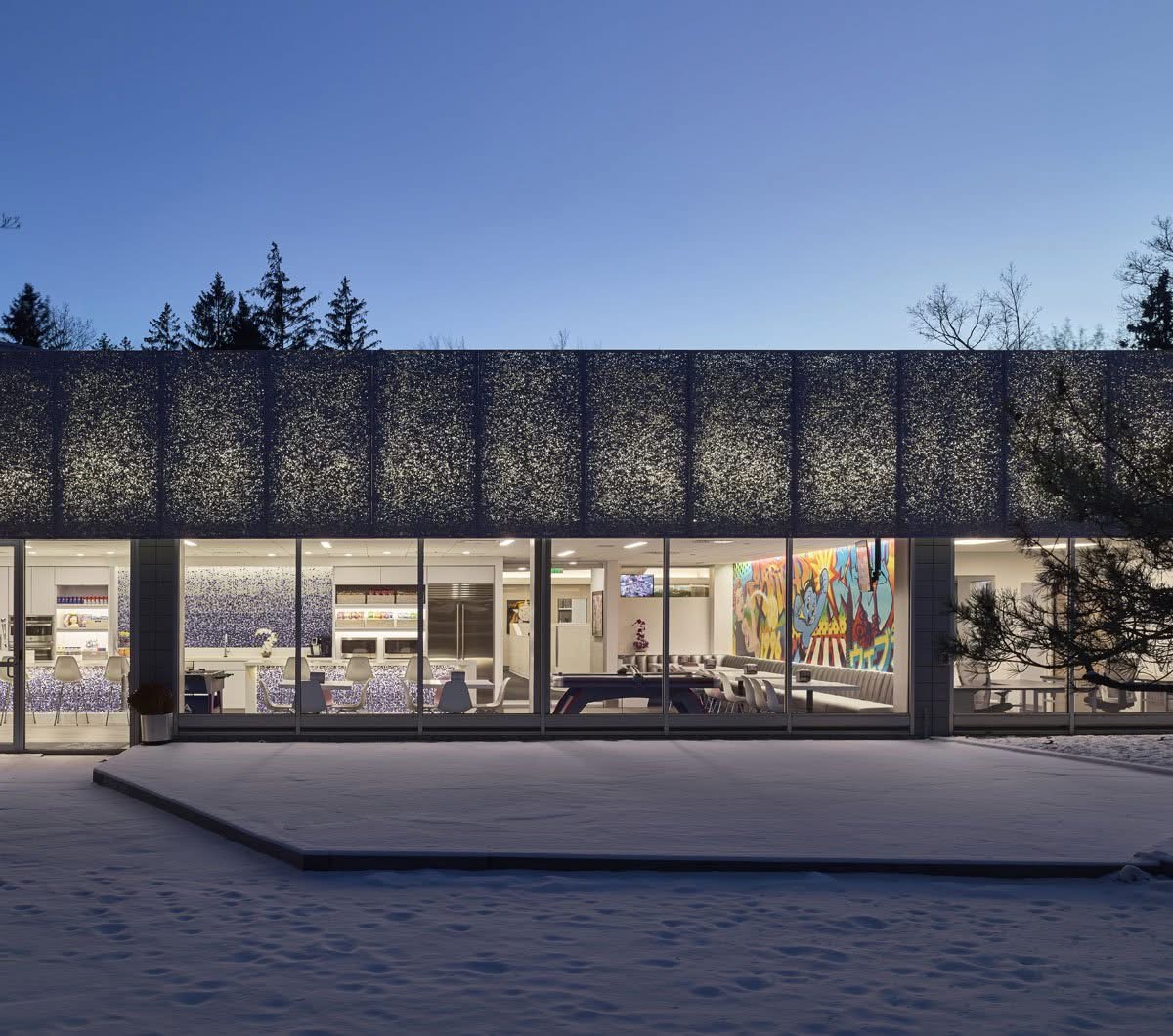
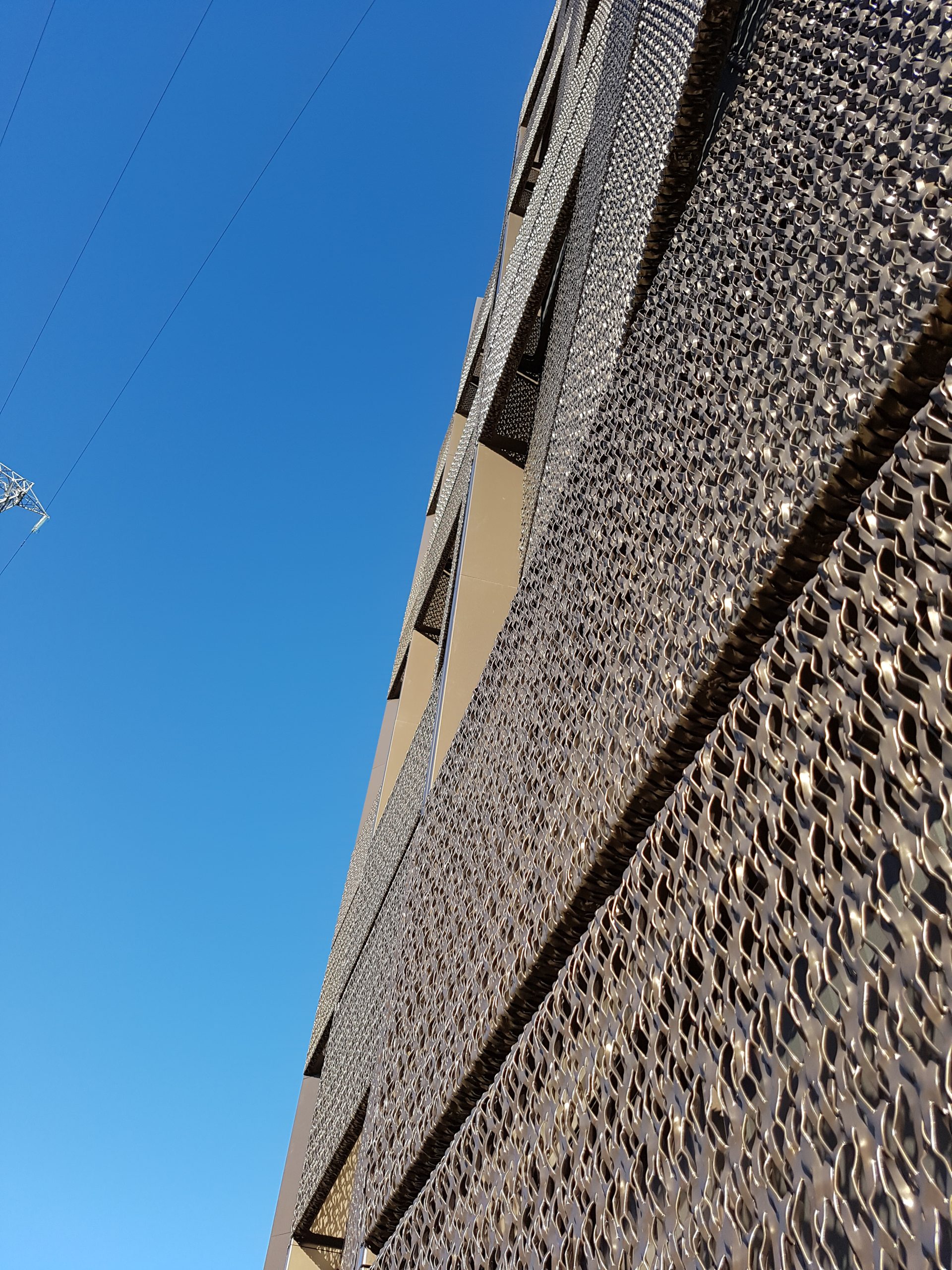
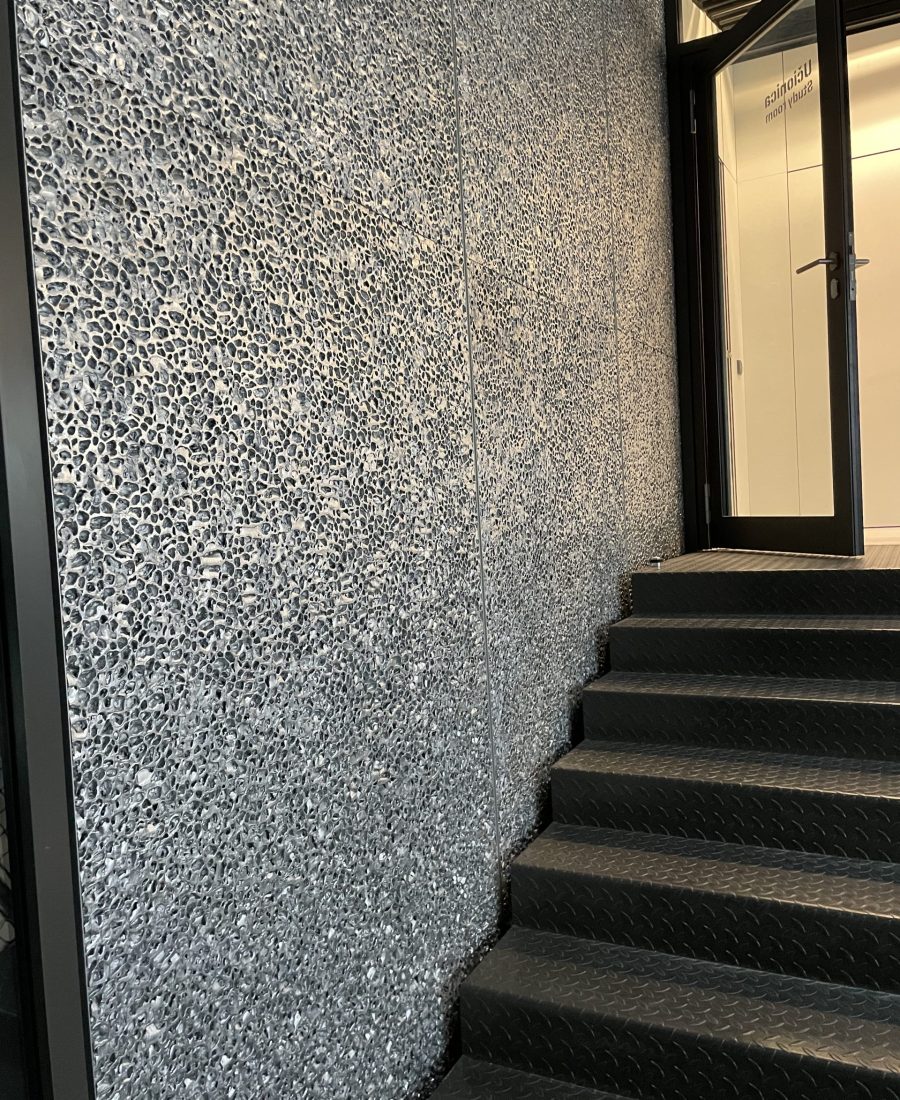
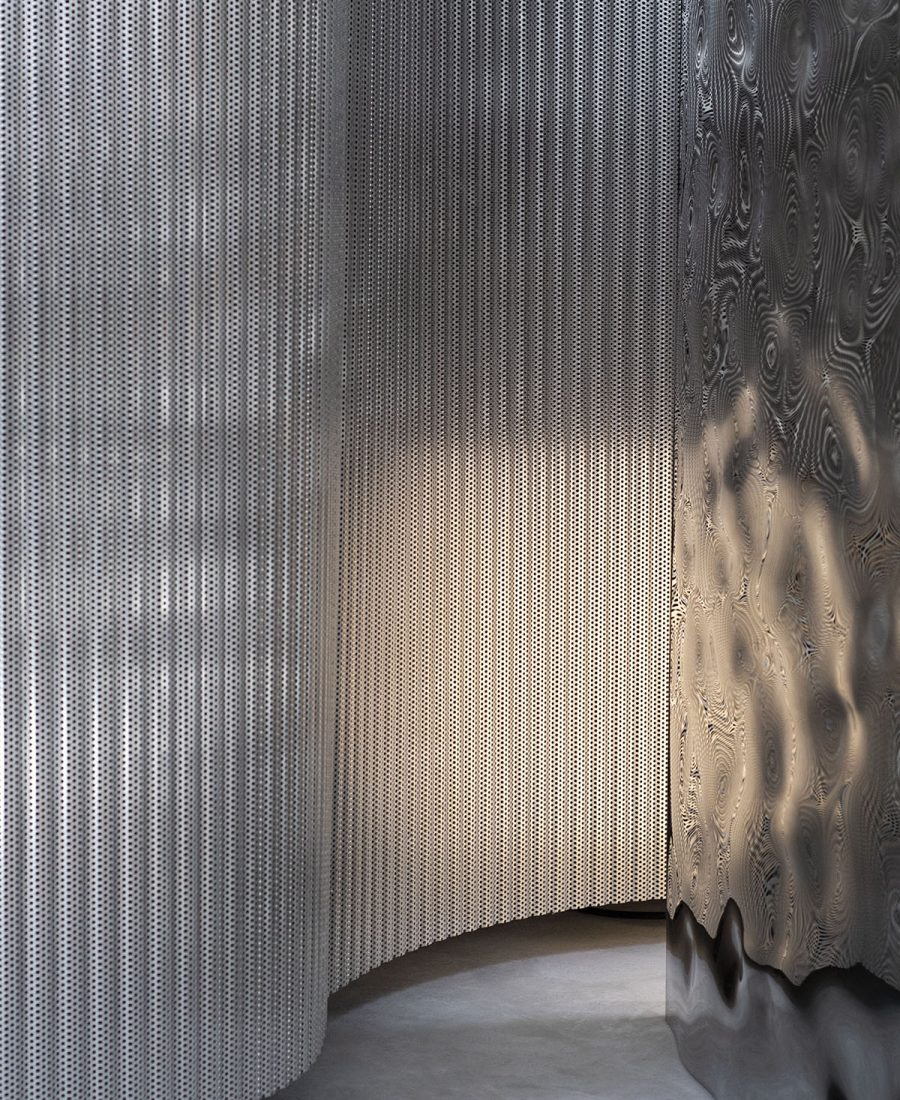
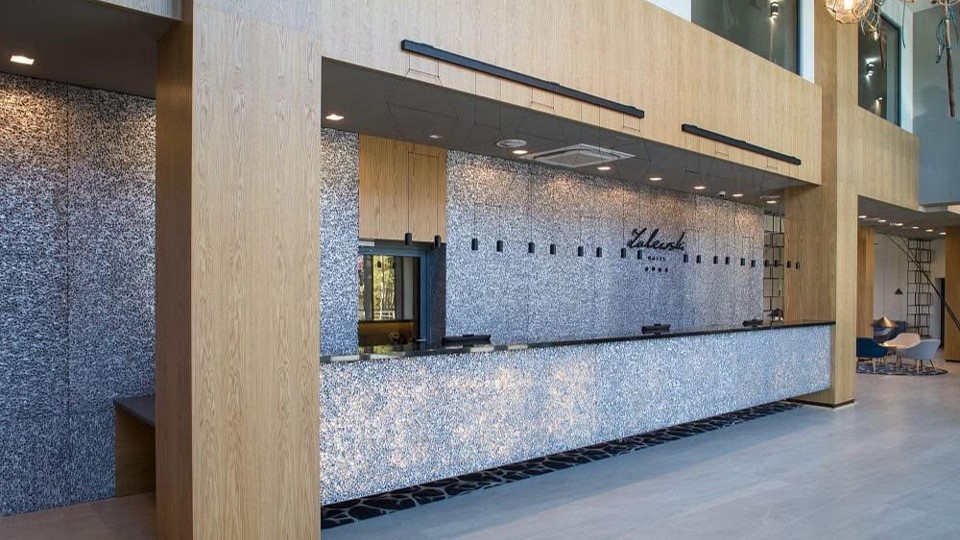
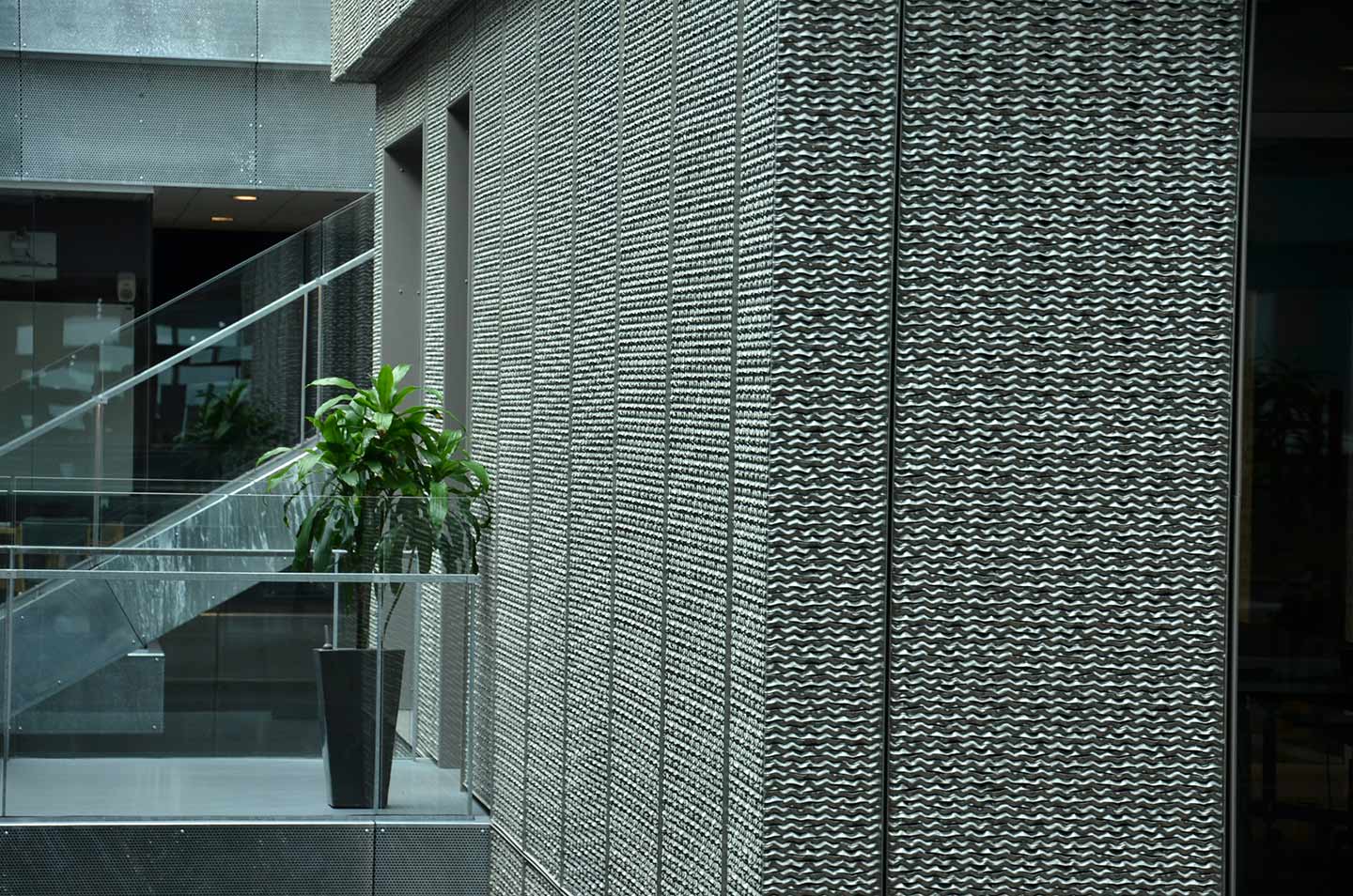
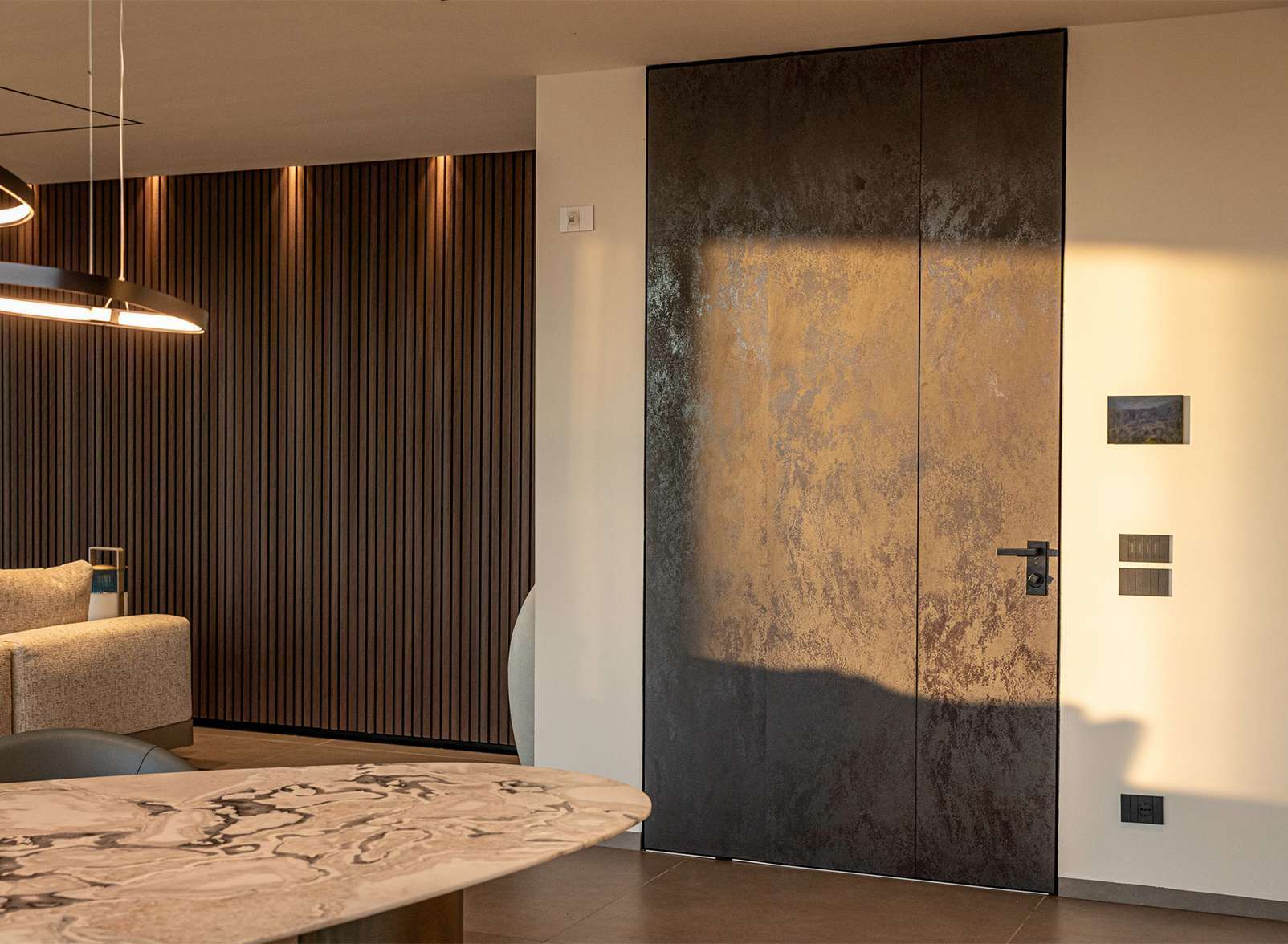
Metal wall cladding is a good choice when a project requires a precise look, clean geometry, durability, and easy maintenance. It can be implemented in various dimensions, shapes, perforations, and finishes, giving architects and designers ample scope for customisation to the interior concept.
Metal cladding can also have an additional acoustic function, depending on the chosen system and design. Perforated variants are used when, in addition to visual appeal, it is also necessary to improve the acoustic comfort of the space. This approach is common in offices, halls, corridors, reception areas, and other spaces where the material needs to meet technical and aesthetic requirements simultaneously.
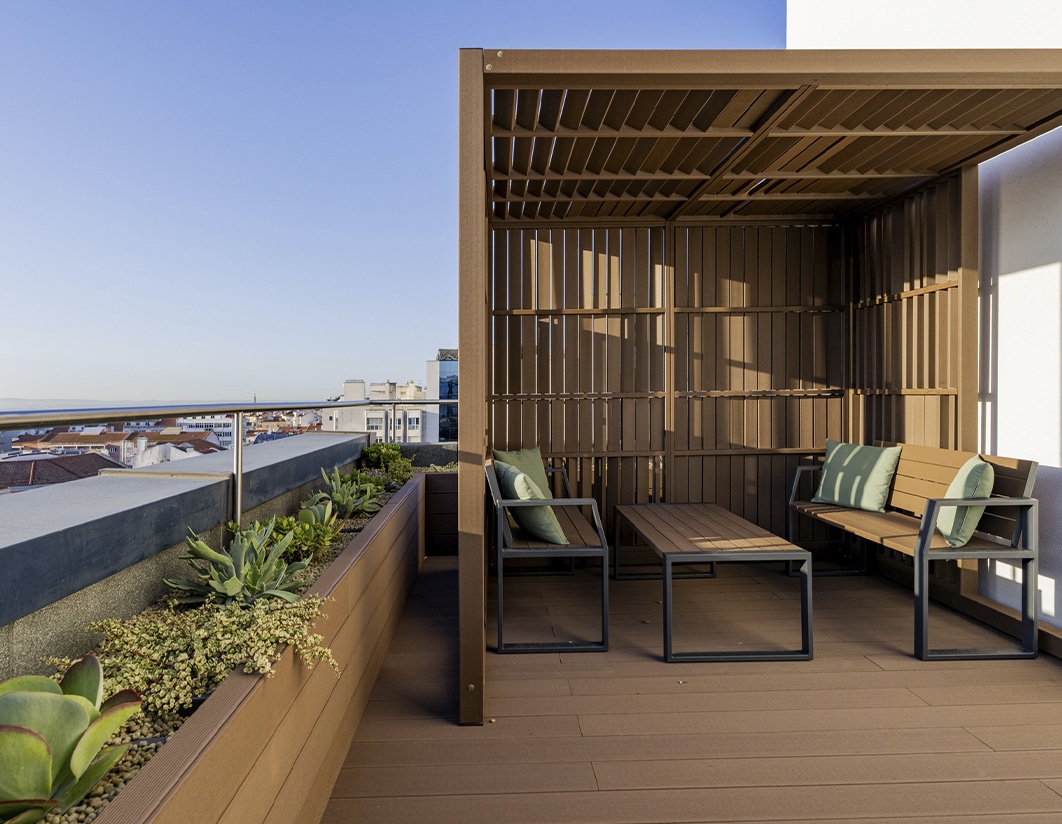
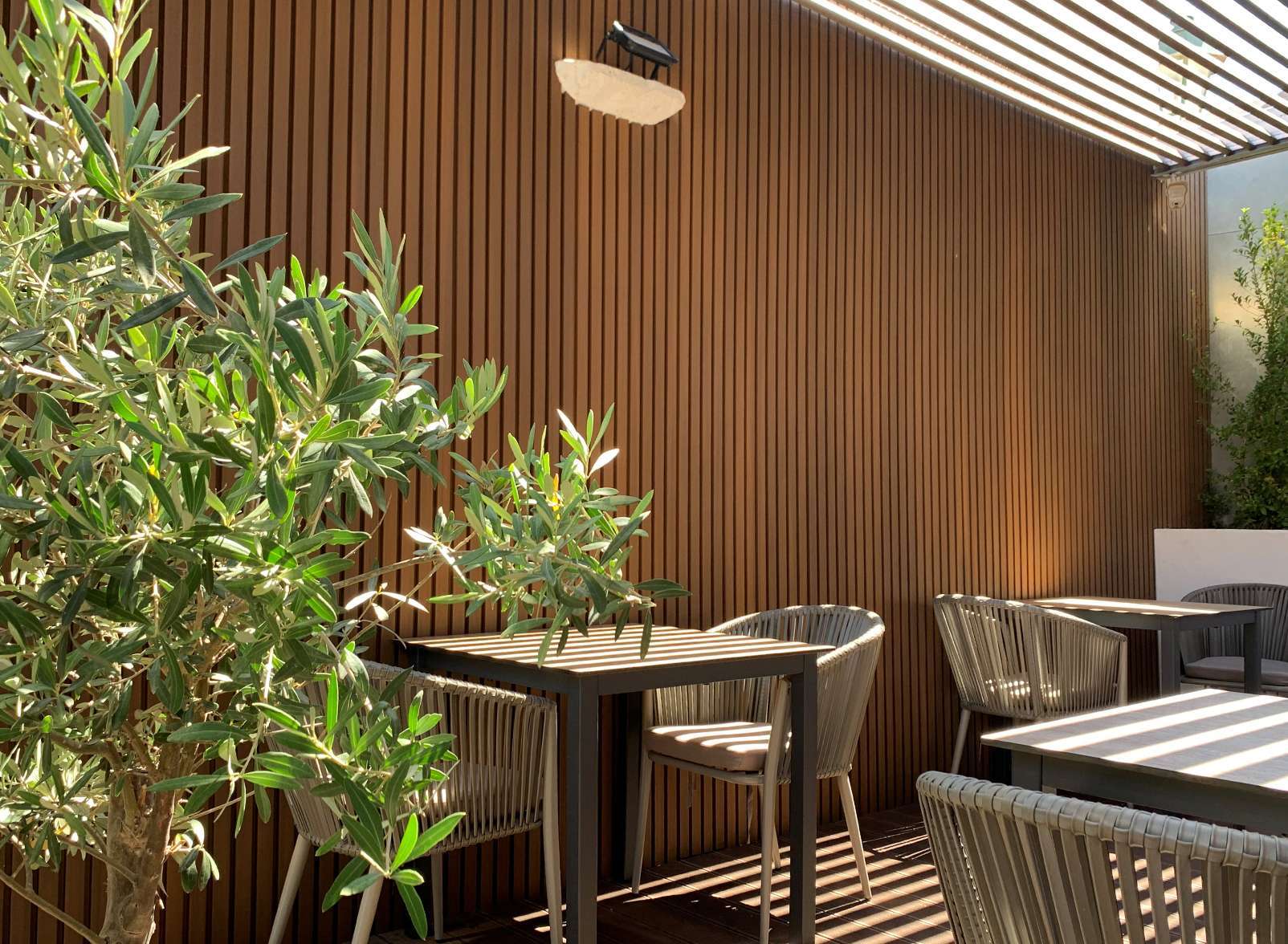
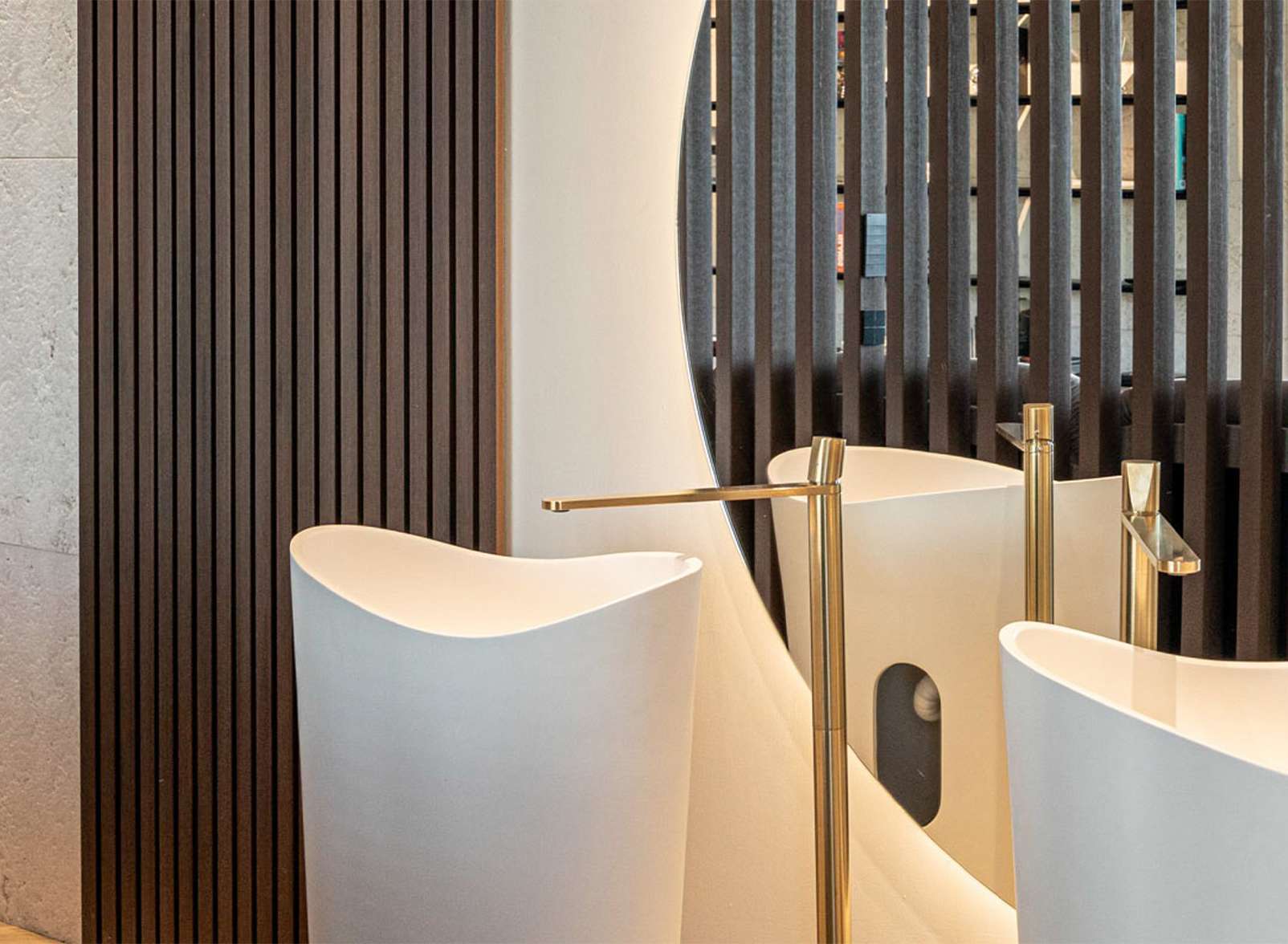
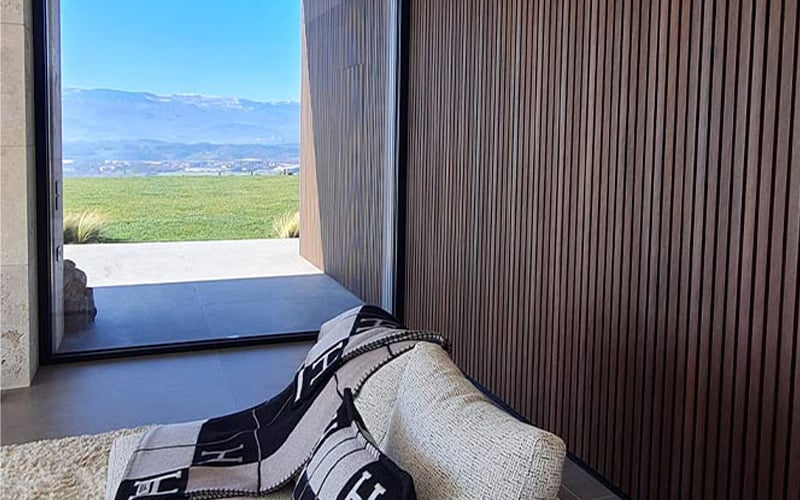
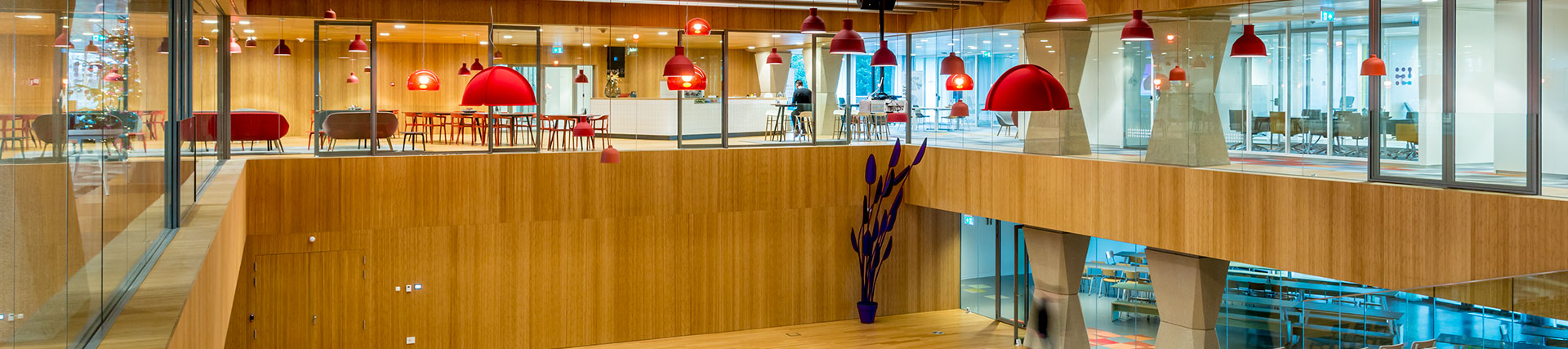
Wooden wall cladding is a good choice when a project requires warmth, a natural look, a pleasant atmosphere, and a high-quality finish. They can be produced in various dimensions, profiles, types of wood, veneers, and finishes, giving architects and designers wide scope for adaptation to the interior concept.
Wooden cladding can also have an additional acoustic function, depending on the chosen system and execution. Slatted, ribbed, or specially treated variations are used when, in addition to the visual impression, the acoustic comfort of the space also needs to be improved. This approach is common in offices, hotels, restaurants, reception areas, halls, and other spaces where the material needs to simultaneously meet technical and aesthetic requirements.
Wall cladding is more than just a decorative layer. It is part of a comprehensive solution that defines a space visually, functionally, and technically. Depending on the project, wall cladding can help direct the look of the interior, highlight individual zones, improve acoustics, and create an impression of neatness and quality of execution.
The selection of wall cladding depends on the intended use of the space, desired visual impression, technical requirements, and conditions of use. Therefore, it is important to choose a system that will not only be aesthetically in keeping with the project, but also reliable enough for long-term use. For metal wall cladding, the particular advantage is precisely the ability to combine design, durability, and easy maintenance in one system.
Get in touch and we will help you choose a solution that suits the function of the space, the desired appearance, and the technical conditions of the project.
Here you can take a closer look at our featured materials and explore solutions, finishes, and options that can be tailored to your project's specific requirements.